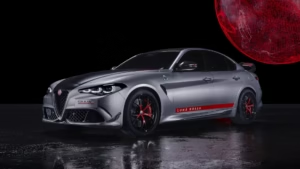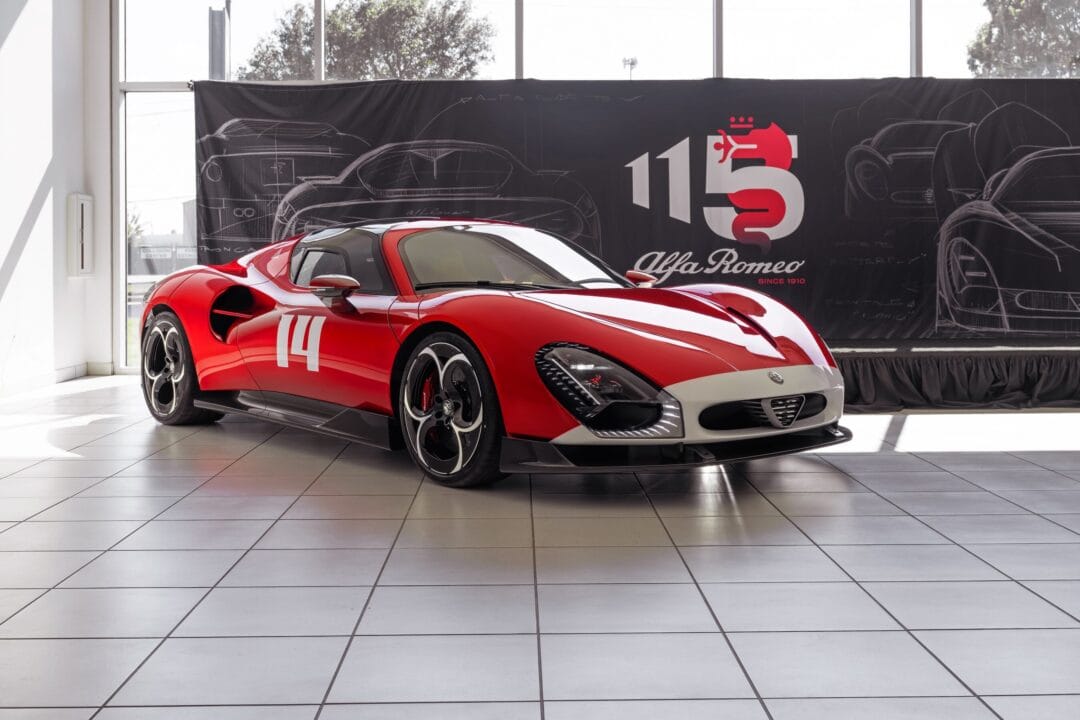
Fellow Alfisti, raise a glass. As of mid-May 2026, every single one of the 33 hand-built Alfa Romeo 33 Stradales is officially in the hands of its lucky owner. The most exclusive Biscione of the modern era is now, in the truest sense, complete — and the brand marked the milestone with two ceremonial handoffs on two continents in the same week.

The Two Handoffs That Closed the Book
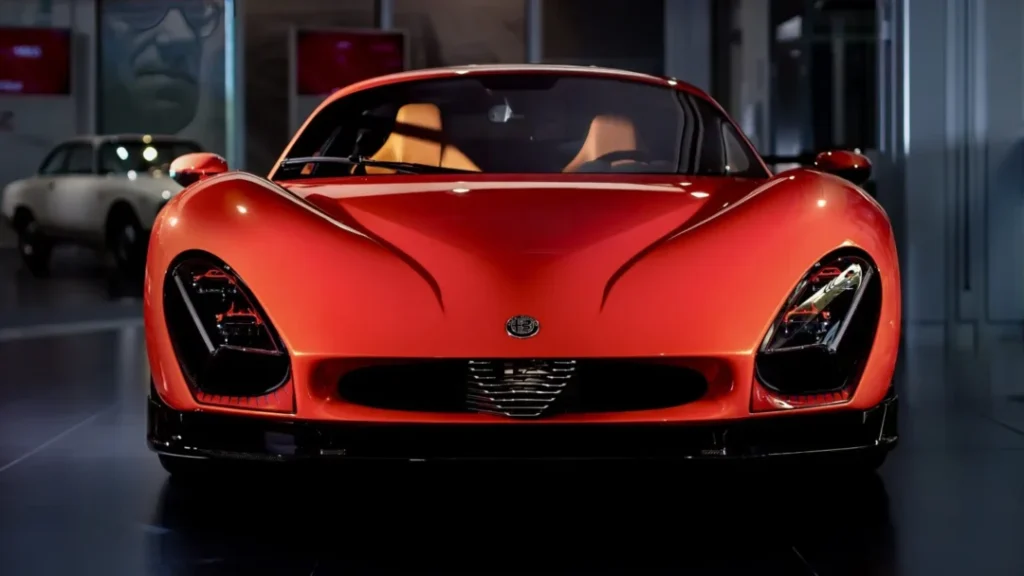
On May 12, 2026, Alfa Romeo orchestrated something rare in the supercar world — a coordinated ceremonial delivery on two continents in a single week. One 33 Stradale was handed to its American owner stateside, while the other went home in the place where the legend started: Italy itself. The Italian handoff took place at the spiritual heart of the marque, with the team behind our earlier 33 Stradale behind-the-scenes feature, executives, engineers and the artisans who actually built these machines by hand.
This wasn’t manufactured ceremony for the sake of press. The 33 Stradale was always meant to be a love letter from Alfa Romeo to itself, and to us — the people who care that the Biscione still represents something more than another platform-shared crossover. Closing the production run with deliberate ceremony rather than a quiet final invoice was the right call. It treats the car the way the 1967 Tipo 33 Stradale was treated by history: as a milestone, not a transaction.
Why 33? The Tipo 33 Lineage Explained
For new Alfisti, the number isn’t arbitrary. The original Alfa Romeo 33 Stradale of 1967 — Franco Scaglione’s mid-engined masterpiece based on the 33 sports prototype — is considered by many designers, including Marc Newson and the late Marcello Gandini, to be the single most beautiful production car ever built. Only 18 originals were completed.
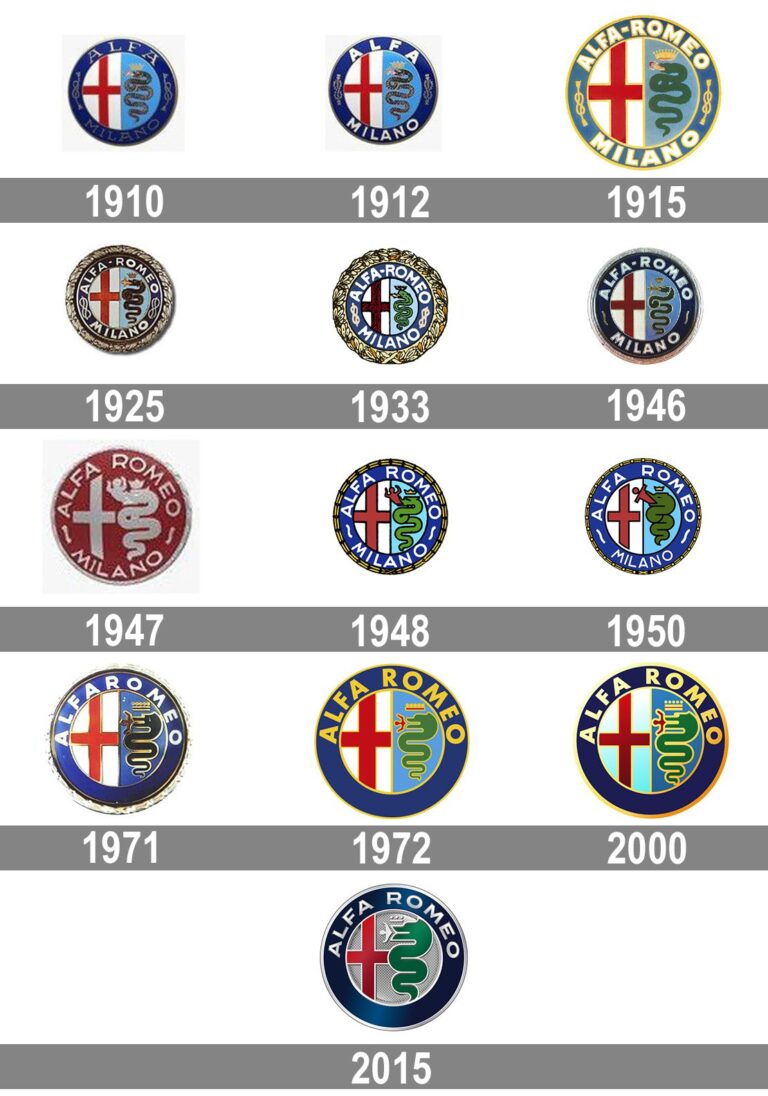
When Alfa Romeo announced the new 33 Stradale in 2023, capping production at 33 units was a deliberate, almost sacred choice. It tied the modern halo car directly to the original Tipo 33 racing program (we traced the full lineage in 115 years of Alfa Romeo) — which gave us the 33/2, 33/3, 33TT12 and the 33SC12, and the European and World Sportscar Championships of the early 1970s. Every one of the 33 modern Stradales carries that bloodline.
With production now finished, the next question becomes obvious: what does the Biscione do for an encore?
Bespoke From First Bolt to Final Decal
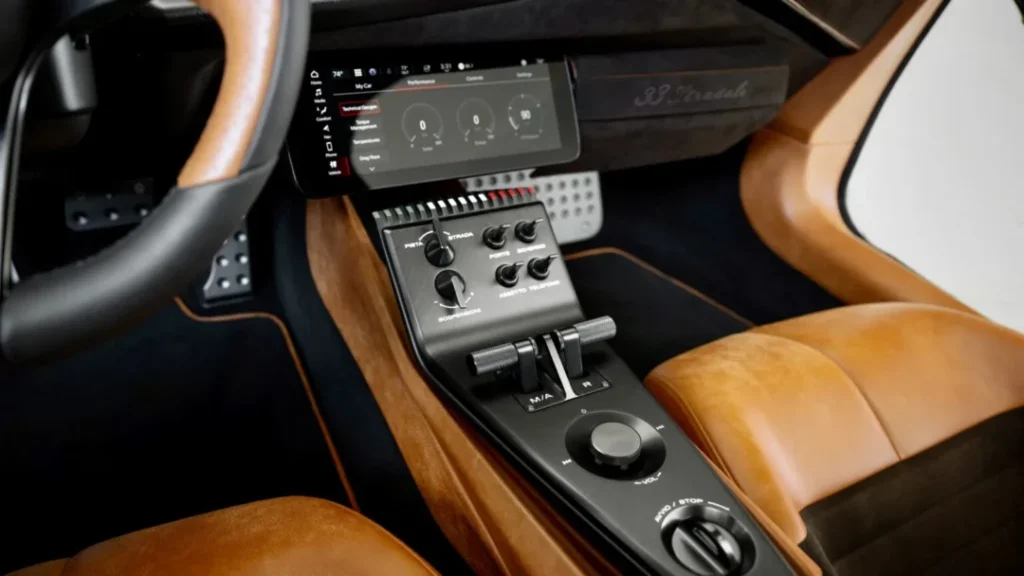
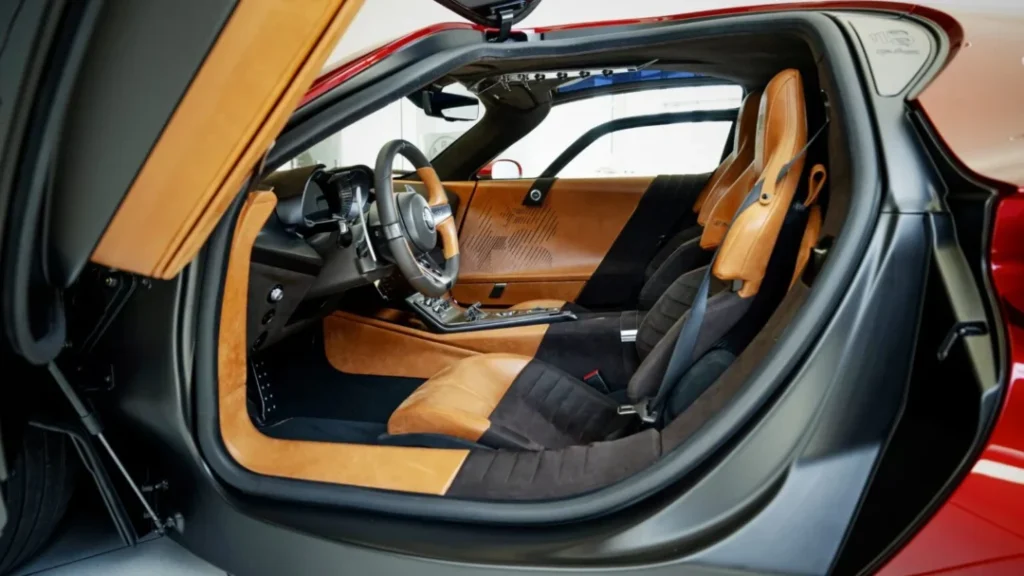
Each 33 Stradale was assembled by Alfa Romeo’s bespoke Bottega program at Centro Stile in Arese, with the Maserati MC20-derived carbon monocoque shipped in and clothed in Alfa Romeo’s own aluminium and carbon bodywork. The cars split between two powertrain options: the 620-horsepower twin-turbo V6 derived from the Nettuno engine we covered in our V6 future deep-dive, and a 750-horsepower all-electric variant — a quiet statement that the future of Italian performance might not be combustion-only.
Clients spent months in Arese specifying their cars with the Bottega team. Paint blends, interior trim, even bespoke luggage was discussed face to face. There is no configurator on a website. There are only conversations with the people who actually build the car. This is what true coachbuilding looked like in the 1960s, and Alfa Romeo has now successfully proven it can still look like that in 2026.
The Cuore Sportivo Verdict
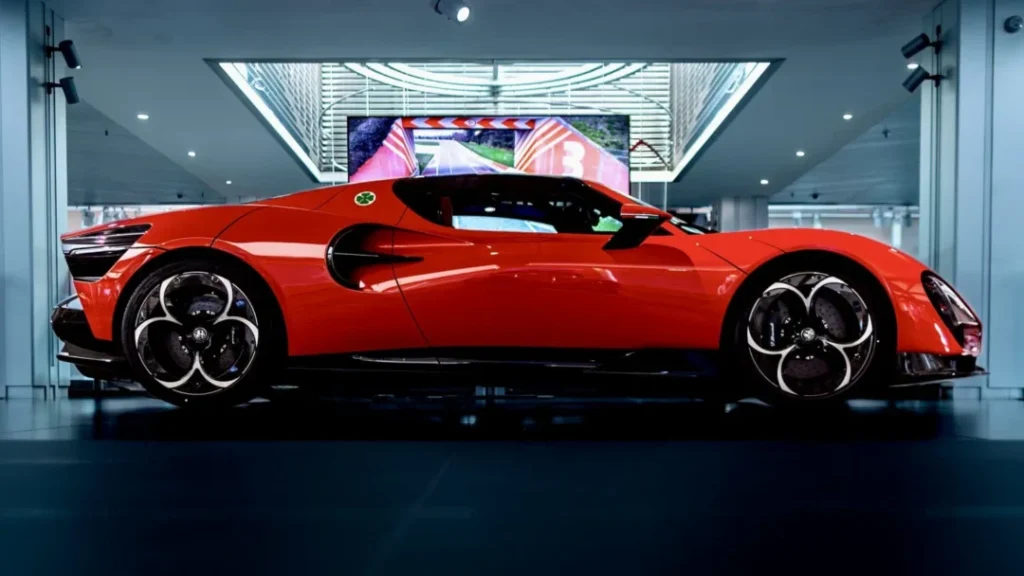
Reviewers from Top Gear, evo, and CAR have all driven the 33 Stradale, and the consensus is that it actually drives like an Alfa Romeo should — with steering feedback that mainstream supercar manufacturers seem to have forgotten about, a chassis that flows rather than hammers, and a V6 that delights more than it intimidates. The criticism, predictably, is the price — GMA T.50 territory for what is technically a re-bodied MC20.
But the 33 Stradale was never priced for value. It was priced for scarcity, for art, and for the simple fact that 33 people now own a piece of Alfa Romeo history that the rest of us will only see at Concorso d’Eleganza Villa d’Este. That isn’t a complaint. That’s exactly what a halo car is supposed to do.
What Comes Next: The Bottega Era
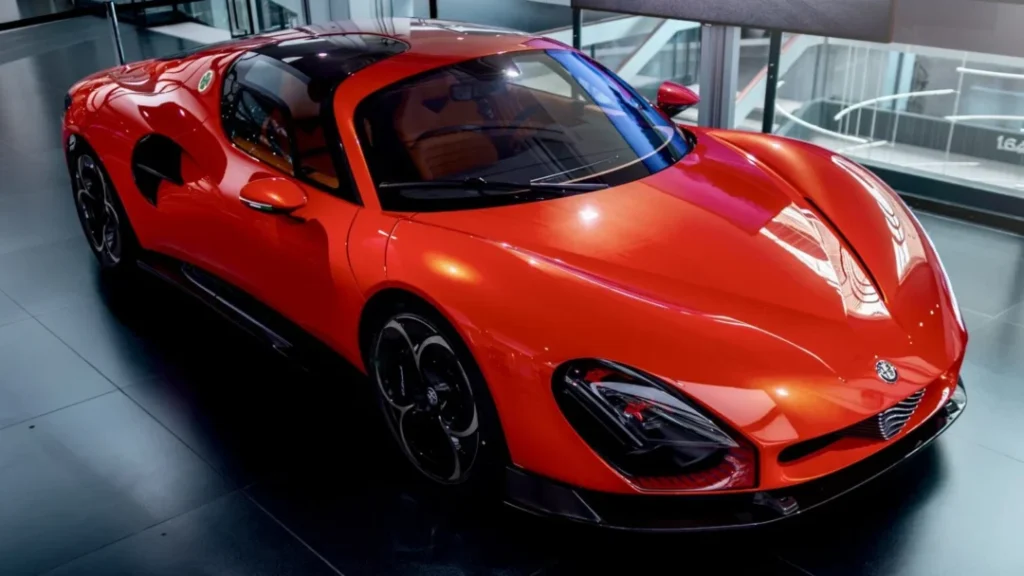
Closing the 33 Stradale program doesn’t mean the Bottega goes quiet. At Stellantis’ 2026 Investor Day on May 23, Alfa Romeo CEO Santo Ficili confirmed a new Bottega Fuoriserie program will deliver ultra-exclusive models co-developed with Maserati. Translation: the 33 Stradale was the prototype for a way of working, not a one-off. Expect another limited-volume halo project in the next 24 months, almost certainly tied to a meaningful Alfa Romeo anniversary or motorsport milestone.
If you were sitting on the fence about whether modern Alfa Romeo still has a soul — the completion of all 33 Stradales is your answer. The Biscione is still building cars that the rest of the industry can’t, and won’t, replicate.
Celebrating the 33 Stradale? Wear the passion every day with our Alfa Romeo t-shirts and Alfa Romeo hoodies, made for Alfisti.